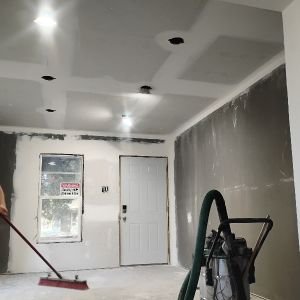
Swirl Ceiling Removal in Denver County, CO
Swirl ceiling removal is a service that addresses textured ceiling finishes commonly found in homes. This process involves skillfully removing the existing swirl or popcorn-like texture to create a smooth, even ceiling surface. It is often requested during renovation projects, updates to interior design, or when preparing a space for painting and other finishes. Property owners typically want to understand the scope of the removal, the potential for drywall repair if needed, and how the finished ceiling will look afterward to ensure it aligns with their interior style.
Before requesting swirl ceiling removal, homeowners should consider the condition of the existing ceiling surface, including any signs of damage or water stains. It is also helpful to know if the ceiling contains asbestos, which was sometimes used in textured finishes in older homes, as this may require specialized handling. Clarifying the desired final appearance and any additional work, such as repainting or drywall finishing, can help ensure the project meets expectations.
Many property owners in Denver County, CO look into Swirl Ceiling Removal for repairs, replacements, upgrades, and appearance-related improvements.
Benefits Of Swirl Ceiling Removal
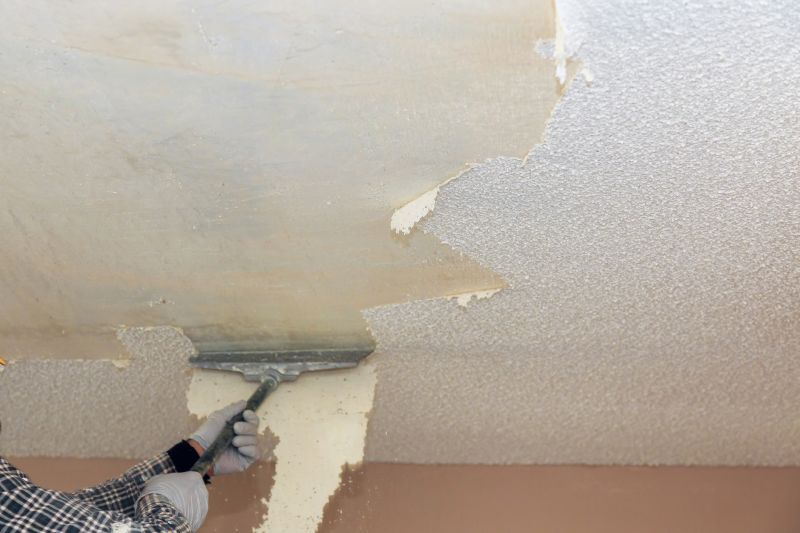
Removing textured ceilings can create a cleaner, more modern look for homes in denver county.
Common Reasons For Removal
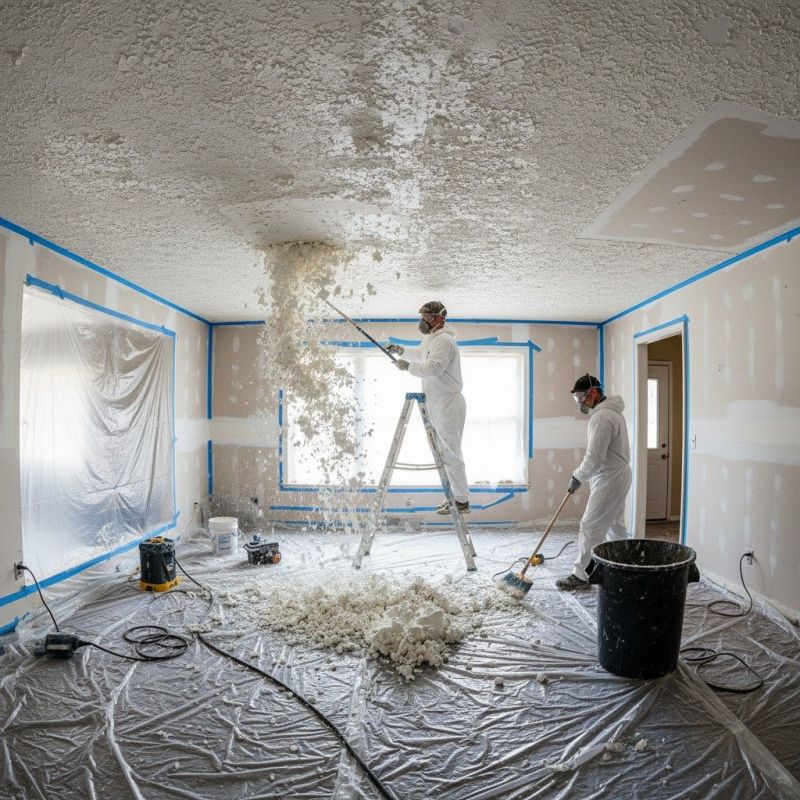
Property owners often choose to remove swirl textures to update the style or address ceiling damage.
What To Expect During Removal
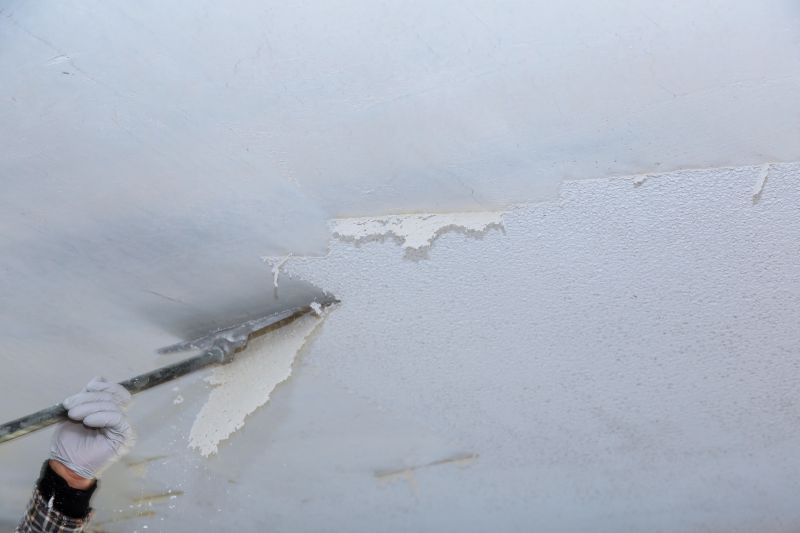
Swirl ceiling removal involves careful preparation and finishing to achieve a smooth, attractive surface.
Swirl Ceiling Removal in Denver County, CO
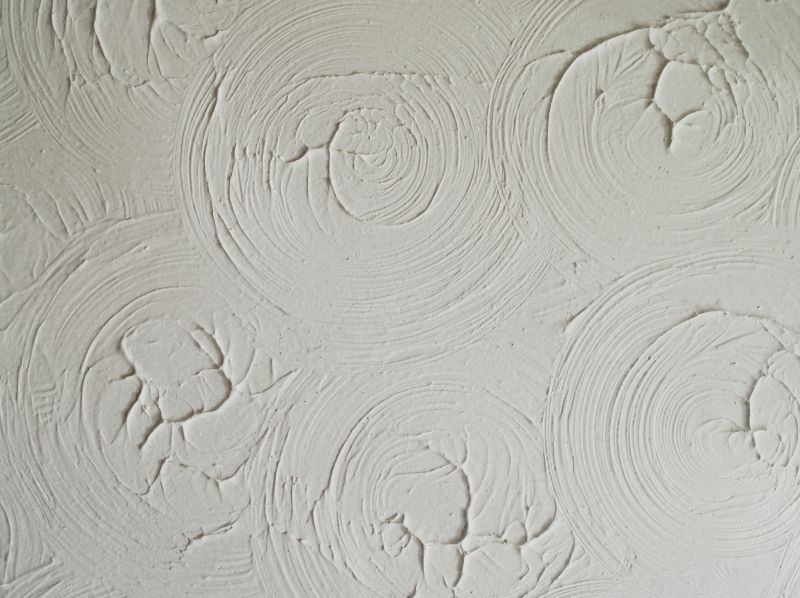
Swirl ceiling removal is a service that addresses textured ceiling finishes commonly found in homes. This process involves skillfully removing the existing swirl or popcorn-like texture to create a smooth, even ceiling surface. It is often requested during renovation projects, updates to interior design, or when preparing a space for painting and other finishes. Property owners typically want to understand the scope of the removal, the potential for drywall repair if needed, and how the finished ceiling will look afterward to ensure it aligns with their interior style.
Before requesting swirl ceiling removal, homeowners should consider the condition of the existing ceiling surface, including any signs of damage or water stains. It is also helpful to know if the ceiling contains asbestos, which was sometimes used in textured finishes in older homes, as this may require specialized handling. Clarifying the desired final appearance and any additional work, such as repainting or drywall finishing, can help ensure the project meets expectations.
Many property owners in Denver County, CO look into Swirl Ceiling Removal for repairs, replacements, upgrades, and appearance-related improvements.
Common Swirl Ceiling Removal Jobs
Ceiling renovation - removing textured or decorative ceiling finishes for a smooth surface.
Home improvement projects - updating ceilings to enhance room aesthetics and value.
Water damage repair - restoring ceilings affected by leaks or moisture buildup.
Ceiling repair - addressing cracks, stains, or damage prior to removal.
Property upgrades - preparing ceilings for new paint or lighting installations.
Older home updates - modernizing ceilings in vintage or historic properties.

Swirl Ceiling Removal Questions
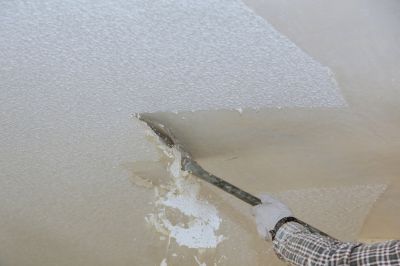
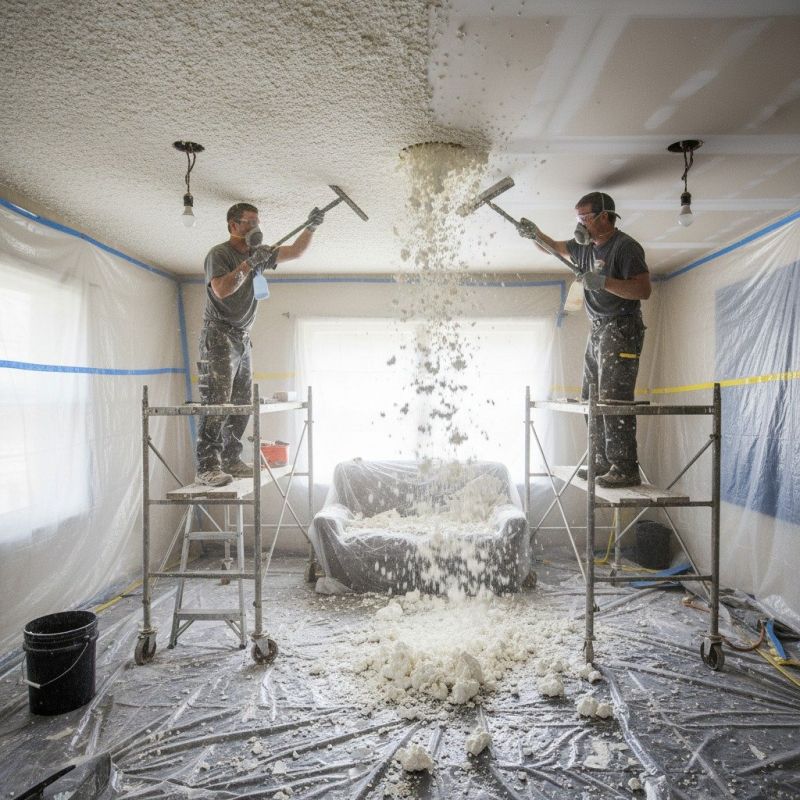
What is swirl ceiling removal? Swirl ceiling removal involves smoothing out textured ceilings to create a flat, even surface for a fresh look.
Why consider removing swirl texture? Removing swirl texture can update the appearance of a room and prepare the ceiling for new finishes or paint.
What types of ceilings can be treated? Both drywall and plaster ceilings with swirl or popcorn textures can be addressed through removal services.
Is swirl ceiling removal messy? Proper techniques help minimize dust and debris, making the process cleaner and more efficient.
Request Swirl Ceiling Removal in Denver County, CO
Use the quote form on this page to share the basics of your project and request more information for the type of work you need.