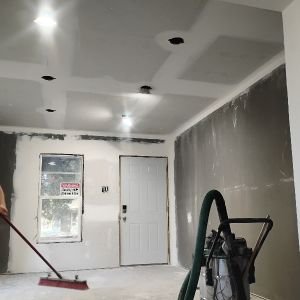
Get Ceiling Scraping
Ceiling scraping services help property owners remove old paint, popcorn ceilings, or textured finishes during remodeling or renovation projects.
Ceiling scraping services are a practical solution for property owners seeking to refresh or restore their interior spaces. Whether planning a renovation, preparing a property for sale, or simply updating the look of a room, professionals in the area can help achieve a smooth, clean ceiling surface. Exploring local contractors ensures access to experienced service providers who understand the specific needs of properties in the community, making it easier to compare options and find the right fit for a project.
Property owners considering ceiling scraping may have various reasons for exploring this work, such as removing old paint, smoothing out surface imperfections, or preparing ceilings for new finishes. By reviewing local service providers, it’s possible to gather information about the scope of work, techniques used, and the quality of craftsmanship available. Continuing to read can help identify the best local options to support a well-planned project, tailored to individual property needs.
- Ceiling scraping for renovation projects - when updating or restoring interior spaces that require surface preparation.
- Ceiling scraping for water damage repair - in cases where water stains or mold have compromised ceiling surfaces.
- Ceiling scraping for removal of old paint or textured finishes - when preparing ceilings for new coatings or finishes.
- Ceiling scraping for remodeling jobs - during interior remodels that involve removing outdated or damaged ceiling materials.
- Ceiling scraping for asbestos or hazardous material removal - when safely removing ceilings containing hazardous substances before renovation.
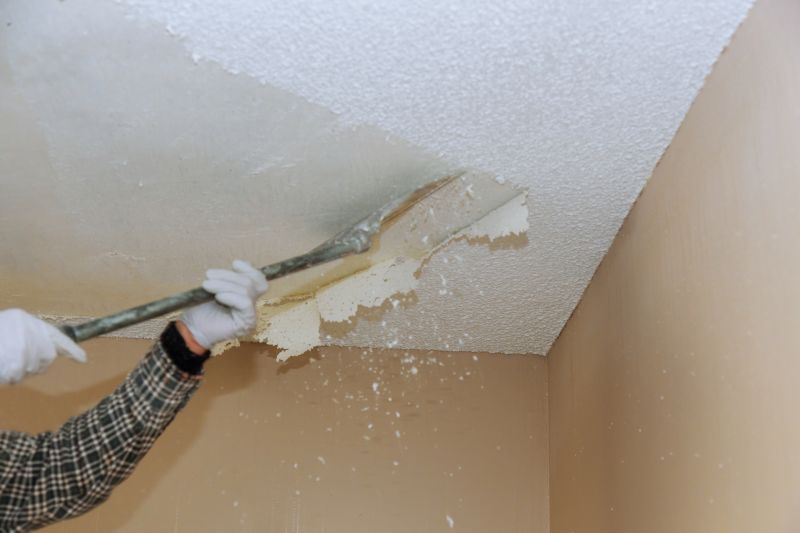
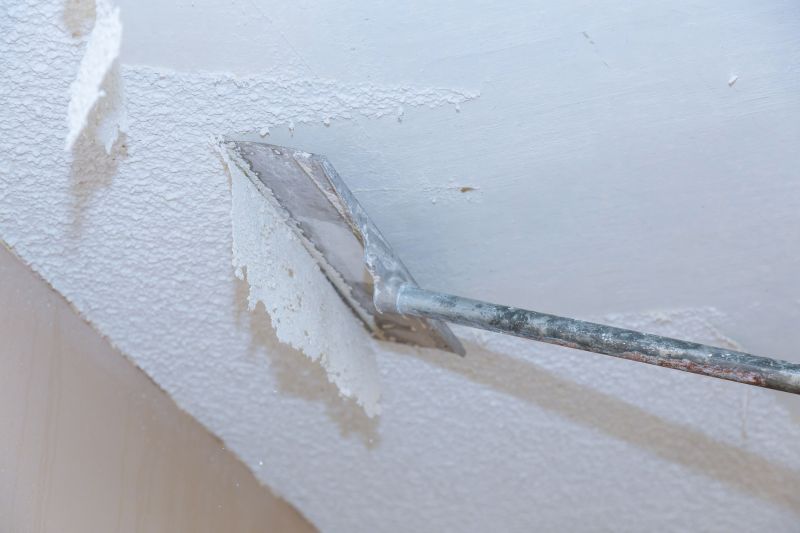
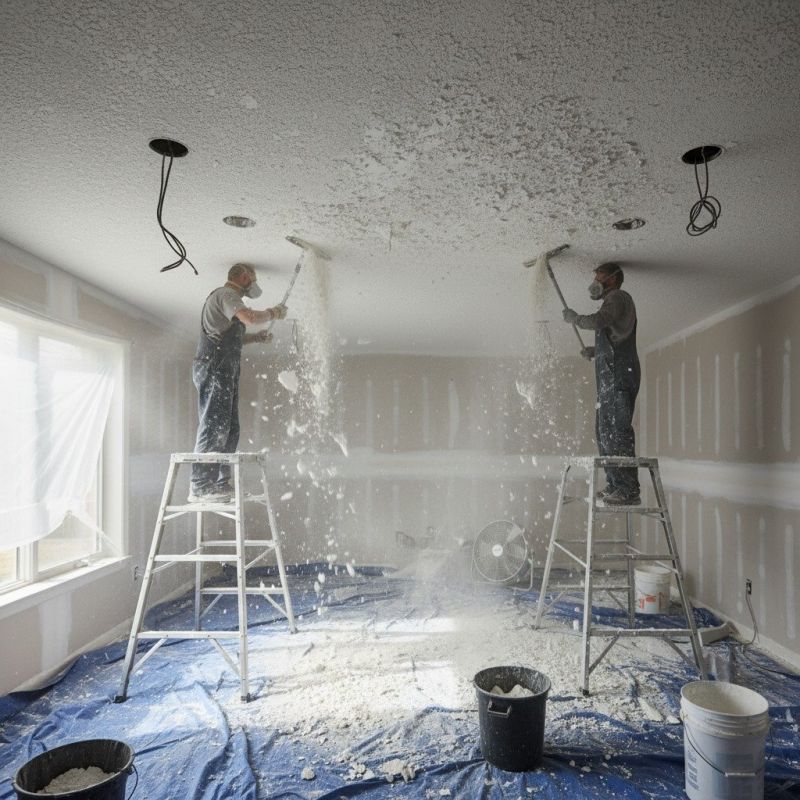
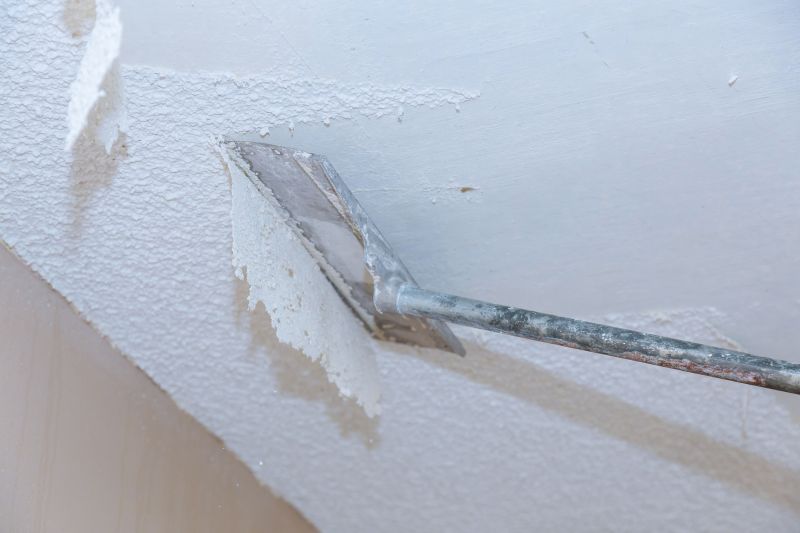
Ceiling scraping services involve removing old, damaged, or uneven paint, textured finishes, or coatings from ceilings to prepare them for a fresh, clean look. This process typically requires specialized tools and techniques to carefully strip away layers without damaging the underlying surface. Whether dealing with outdated popcorn textures, peeling paint, or stubborn stains, professional ceiling scraping can restore the ceiling’s appearance and create a smooth foundation for further finishing work. It is often a necessary step before repainting or applying new decorative finishes, ensuring a neat and polished final result.
Ceiling scraping helps address a variety of common problems that can affect the appearance and integrity of a ceiling. Over time, ceilings may develop unsightly textures, cracks, or areas of peeling paint due to age, moisture, or previous poor workmanship. These issues can diminish the aesthetic appeal of a room and, in some cases, pose health concerns if mold or mildew is present behind damaged coatings. By removing these problematic layers, homeowners can improve indoor air quality, prevent further deterioration, and create a more uniform surface suitable for finishing or repainting.
This service is frequently utilized in residential properties, including single-family homes, apartments, and multi-unit buildings. Older homes often have popcorn ceilings or textured finishes that may no longer suit modern design preferences. Renovations or remodeling projects also commonly require ceiling scraping to update the look of a space or to repair damage from leaks or other issues. Commercial properties, such as offices or retail spaces, may also use ceiling scraping during refurbishment to achieve a cleaner, more contemporary appearance. In general, any property with aged or damaged ceiling surfaces can benefit from professional scraping services.
Homeowners who notice peeling paint, bubbling textures, cracks, or stains on their ceilings might consider ceiling scraping as part of their renovation or repair plans. It can also be a solution for those preparing to repaint or update the interior decor of a room. When ceilings have accumulated years of textured coatings or have become uneven, professional scraping can provide a smooth, uniform surface that enhances the overall look of the space. Contacting local contractors who specialize in ceiling preparation can help determine if this service is appropriate, ensuring the work is done efficiently and effectively.
The overview below groups typical Ceiling Scraping projects into broad ranges so you can see how smaller, mid-sized, and larger jobs often compare in your area.
In many markets, a large share of routine jobs stays in the lower and middle ranges, while only a smaller percentage of projects moves into the highest bands when the work is more complex or site conditions are harder than average.
Smaller Repairs - Typical costs for minor ceiling scraping jobs usually range from $250 to $600. Many routine projects fall within this middle range, depending on the size and condition of the ceiling. Fewer jobs tend to push into the higher end of this spectrum.
Moderate Projects - Medium-sized ceiling scraping tasks often cost between $600 and $1,200. These projects may involve more extensive surface preparation or removal of textured finishes. Larger, more complex jobs can reach higher prices but are less common in this range.
Large or Complex Jobs - Larger ceiling scraping projects, such as removing multiple layers or dealing with damaged surfaces, can range from $1,200 to $3,000 or more. Many contractors handle jobs in this tier, but very extensive projects can go beyond this range.
Full Replacement - Complete ceiling replacements with scraping typically start around $2,500 and can exceed $5,000 for extensive or high-end finishes. These are less frequent but represent the upper end of typical costs for comprehensive work handled by local service providers.
Actual totals will depend on details like access to the work area, the scope of the project, and the materials selected, so use these as general starting points rather than exact figures.
Ceiling Demolition - local contractors who specialize in safely removing old ceiling materials often use similar scraping techniques and planning skills.
Wall Texturing and Finishing - professionals who prepare surfaces for painting or finishing may perform surface scraping and smoothing tasks akin to ceiling scraping.
Plaster Removal and Restoration - experts in removing damaged plaster or restoring damaged ceilings utilize comparable skills in surface preparation and careful scraping.
Acoustic Ceiling Tile Removal - service providers experienced in removing and replacing acoustic tiles often employ similar tools and planning for ceiling surface work.
Suspended Ceiling Installation - contractors installing drop ceilings need to prepare existing surfaces, which involves surface scraping and surface assessment skills.
Drywall Repair and Finishing - local drywall specialists often perform surface scraping and patching tasks that relate closely to ceiling scraping services.
When comparing local contractors for ceiling scraping services, it’s important to consider their experience with similar projects. Homeowners should inquire about how long the service providers have been performing ceiling scraping work and whether they have handled projects comparable in size and scope. An experienced contractor is more likely to understand the nuances of different ceiling materials and surface conditions, which can contribute to a smoother process and a better final result. Reviewing the background of local service providers can help ensure that the chosen professional has the practical knowledge needed for the specific requirements of the job.
Clear, written expectations are essential when evaluating potential contractors. Homeowners should seek detailed descriptions of the services offered, including the scope of work, materials used, and any preparations or post-work cleanup involved. Having these expectations documented helps prevent misunderstandings and provides a basis for comparing different options. It’s also helpful to ask for a written outline of the process and any warranties or guarantees, so there is a transparent understanding of what the project entails and what the contractor commits to delivering.
Reputable references and good communication are key indicators of dependable service providers. Homeowners should request references from previous clients who had similar ceiling scraping work done and follow up to learn about their experiences. Reliable local contractors are typically responsive and willing to answer questions thoroughly, maintaining clear communication throughout the project. While the site introduces homeowners to local options, it does not perform the work itself, emphasizing the importance of thoroughly vetting each service provider to find professionals who are experienced, transparent, and communicative.
Property owners use Ceiling Scraping services for practical projects around their homes and businesses. This guide focuses on everyday jobs and straightforward project options.
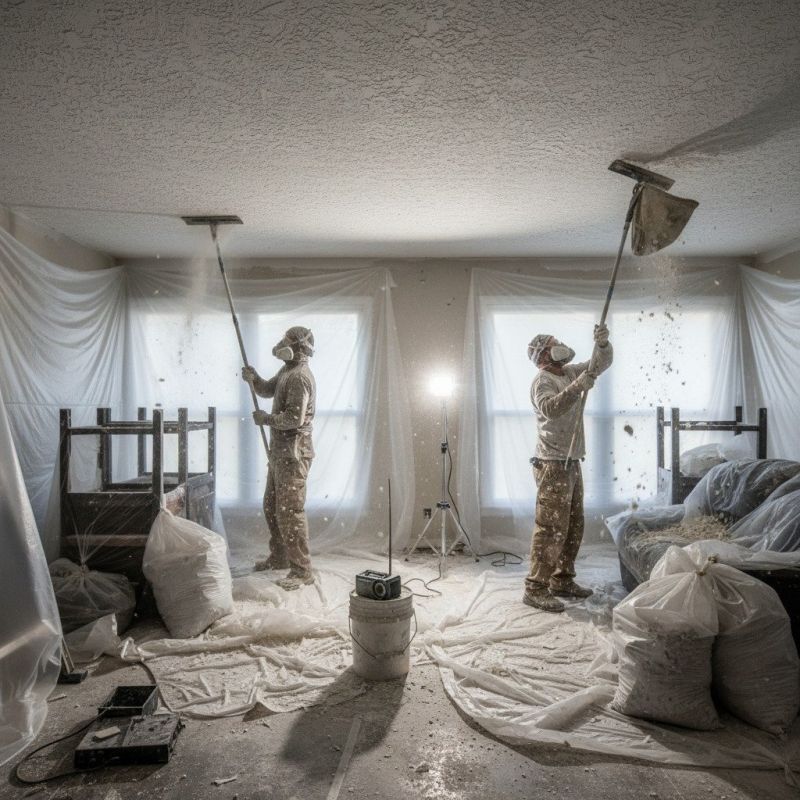
Ceiling scraping services are often sought after during home renovation projects, especially when property owners want to update or improve the appearance of their ceilings. Whether it's removing old paint, textured finishes, or repairing damaged surfaces, local contractors can provide the necessary expertise to handle these tasks efficiently. Property owners might look for these services to achieve a cleaner, more modern look or to prepare ceilings for new paint or decorative finishes.
In addition, ceiling scraping is a common step in addressing issues caused by water damage, age, or deterioration. Homeowners and business owners may need professional help to safely remove compromised materials and prepare the surface for repairs or refinishing. Local service providers are equipped to handle a variety of ceiling types and conditions, making it easier for property owners to maintain or restore their spaces with confidence.
What are ceiling scraping services? Ceiling scraping involves removing old paint, wallpaper, or textured finishes from ceilings to prepare for a new surface or finish. Local contractors specialize in safely and efficiently performing this work to improve ceiling appearance.
Why might someone need ceiling scraping? Ceiling scraping is often needed when ceilings have outdated textures, peeling paint, or wallpaper that needs removal before repainting or refinishing. Service providers can handle various ceiling surfaces and conditions.
What types of ceilings can be scraped? Ceiling scraping services can be performed on a variety of ceiling types, including drywall, plaster, popcorn, or textured finishes, to achieve a smooth surface ready for the desired finish.
How do local contractors prepare for ceiling scraping? Pros typically assess the ceiling condition, protect surrounding areas, and use specialized tools and techniques to safely remove old finishes without damaging the underlying surface.
What should be considered before hiring a ceiling scraping service? It's important to evaluate the contractor’s experience with similar projects, ensure they follow proper safety protocols, and verify their ability to handle the specific ceiling material and condition.
Ceiling Surface Preparation - Property owners can hire local contractors to prepare ceilings for painting or finishing by removing old paint, debris, or uneven surfaces.
Ceiling Restoration Projects - Homeowners planning to restore or refurbish ceilings can connect with service providers experienced in scraping and smoothing surfaces.
Removing Old Coatings - Individuals updating interior decor might use ceiling scraping services to remove outdated wallpaper or paint layers before applying new finishes.
Ceiling Damage Repair - Property managers can utilize ceiling scraping to address damage caused by leaks or cracks, creating a clean surface for repairs.
If you are thinking about Ceiling Scraping for a property, this guide is meant to help you understand the work, the typical project types, and how different options might fit your plans.
When you are ready, you can use the quote form on this page to share a few details about your project. From there, local pros can review the basics and respond with options that match what you have in mind.